
In the digital realm, speed is king, and web optimization is its bravest knight.
Two superheroes emerge to accelerate site loading: minification, an efficient translation of programming languages, and Gzip compression, the bandwidth savior.
How can you tell if a site employs these techniques? Digital fingerprints unveil the secret. The impact on Core Web Vitals is substantial; a swift and seamless user experience is the key for online success.
Web resources: minification and compression
Imagine minification as a secret language between developers and browsers. It trims the size of CSS, JavaScript, and HTML files, eliminating redundancies (spaces, comments) without compromising comprehension. This compact translation enables web pages to load faster, enhancing the user experience.
Photorealistice Vacuum Sealbags, courtesy of Bing Create
Gzip compression, on the other hand, is a compression technique that reduces file size before sending them to the browser. It’s kind of like compressing a suitcase to save space. This bandwidth superhero reduces page load times, but beware of its superpower; decompression can be resource-intensive.
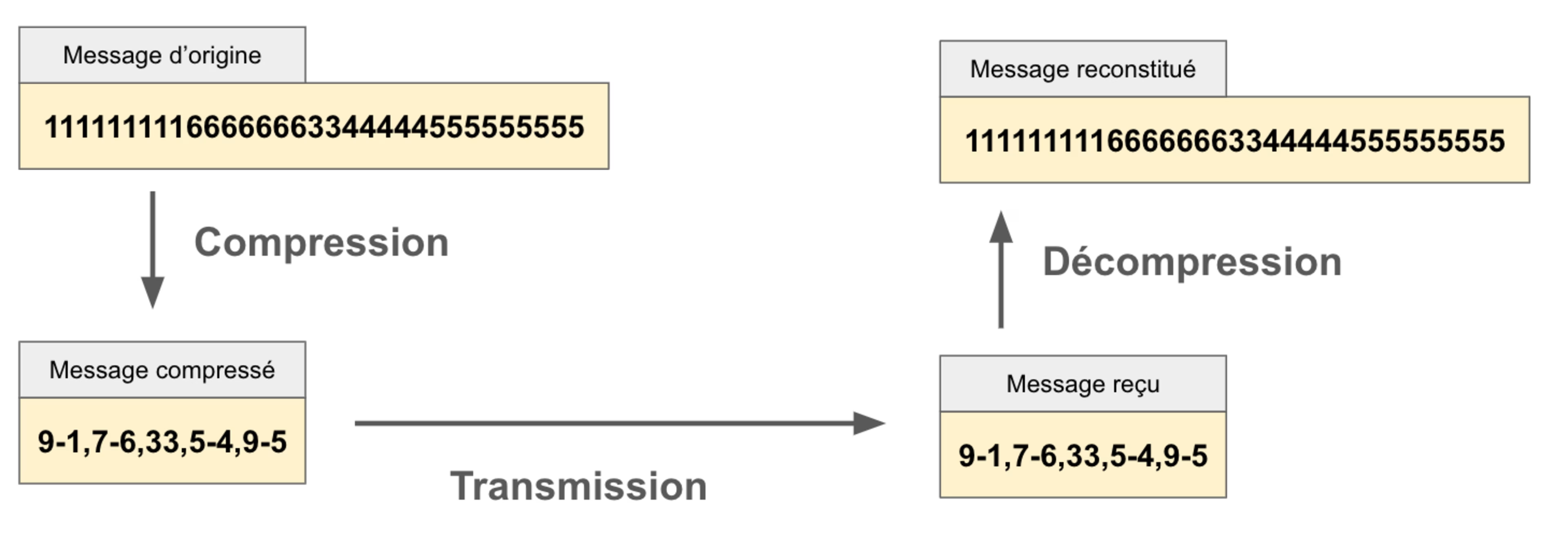
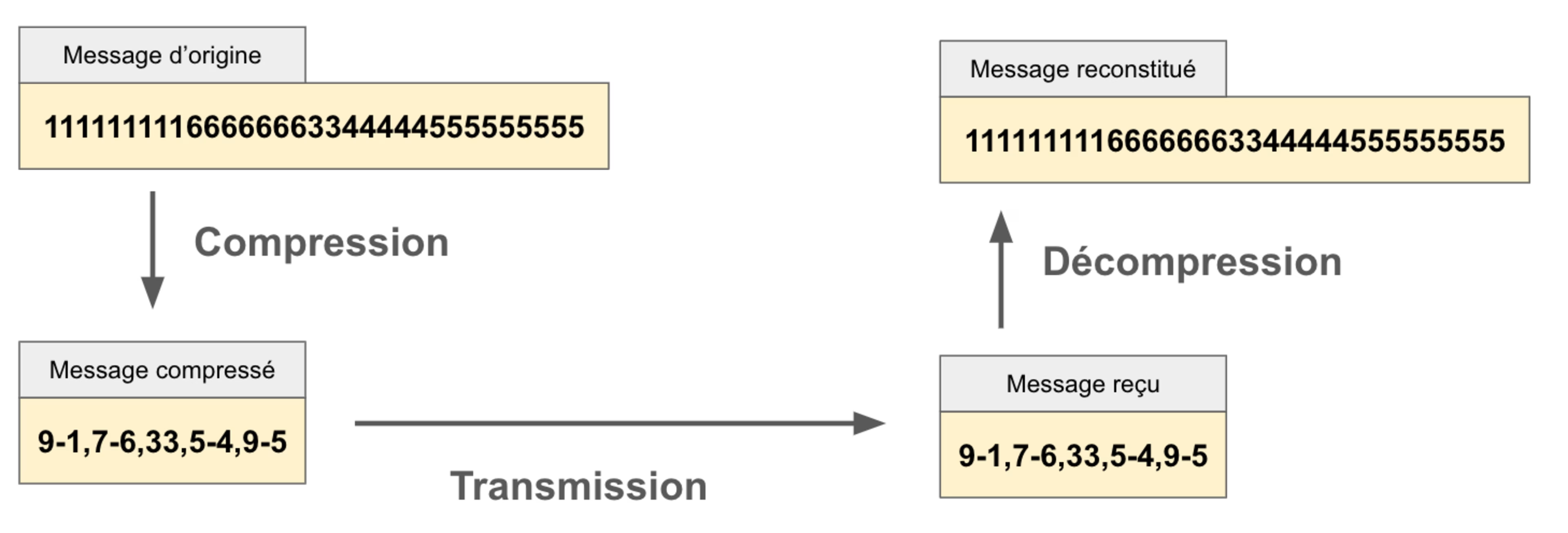
Compression in practice. Take the 32-character string “11111111166666663344444555555555”. It could be described verbally as “9 times character 1, then 7 times character 6, etc.”, which could be written as “9-1,7-6, etc.”. Once the algorithm is understood, the author of the message can send “9-1,7-6,33,5-4,9-5” (only 18 characters), and the recipient will know how, from this compressed version, to reproduce the complete string.
How do you know if a site employs these techniques? Aside from Speed Analysis Lab, tools like PageSpeed Insights or the “Network” tab in browser development tools can provide insights. They unveil the digital fingerprint of each page, indicating whether compression is at play in HTTP request and response headers.
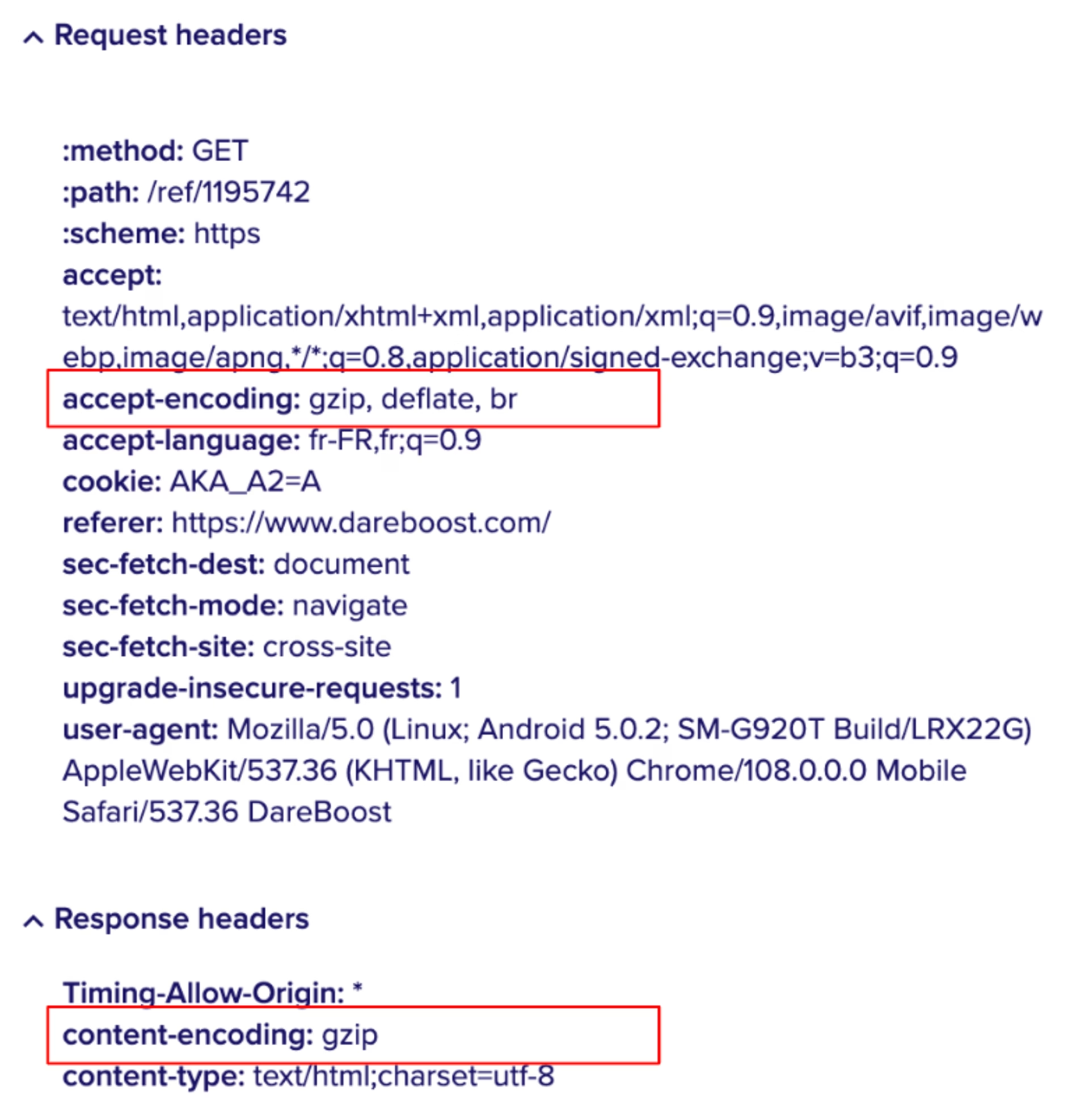
The client (browser), via the “Accept-Encoding” instruction, tells the server which compression methods it’s supporting: GZip, deflate and brotli.
The server, via the “Content-Encoding” header, tells the client that the content sent has been compressed using Gzip.
Web resources: compression Gzip
Speaking of impact, minification and compression aren’t just insider tricks. They’re essential for Core Web Vitals, crucial metrics for SEO and user satisfaction. By reducing file sizes, these techniques contribute to faster load times, improving perceived speed for users.
In conclusion, minify like a frugal linguist, compress like a savvy traveler, and verify with digital fingerprints. Ensure your Core Web Vitals are swift melodies rather than discordant notes. In the online world, speed isn’t just an advantage; it’s a necessity.
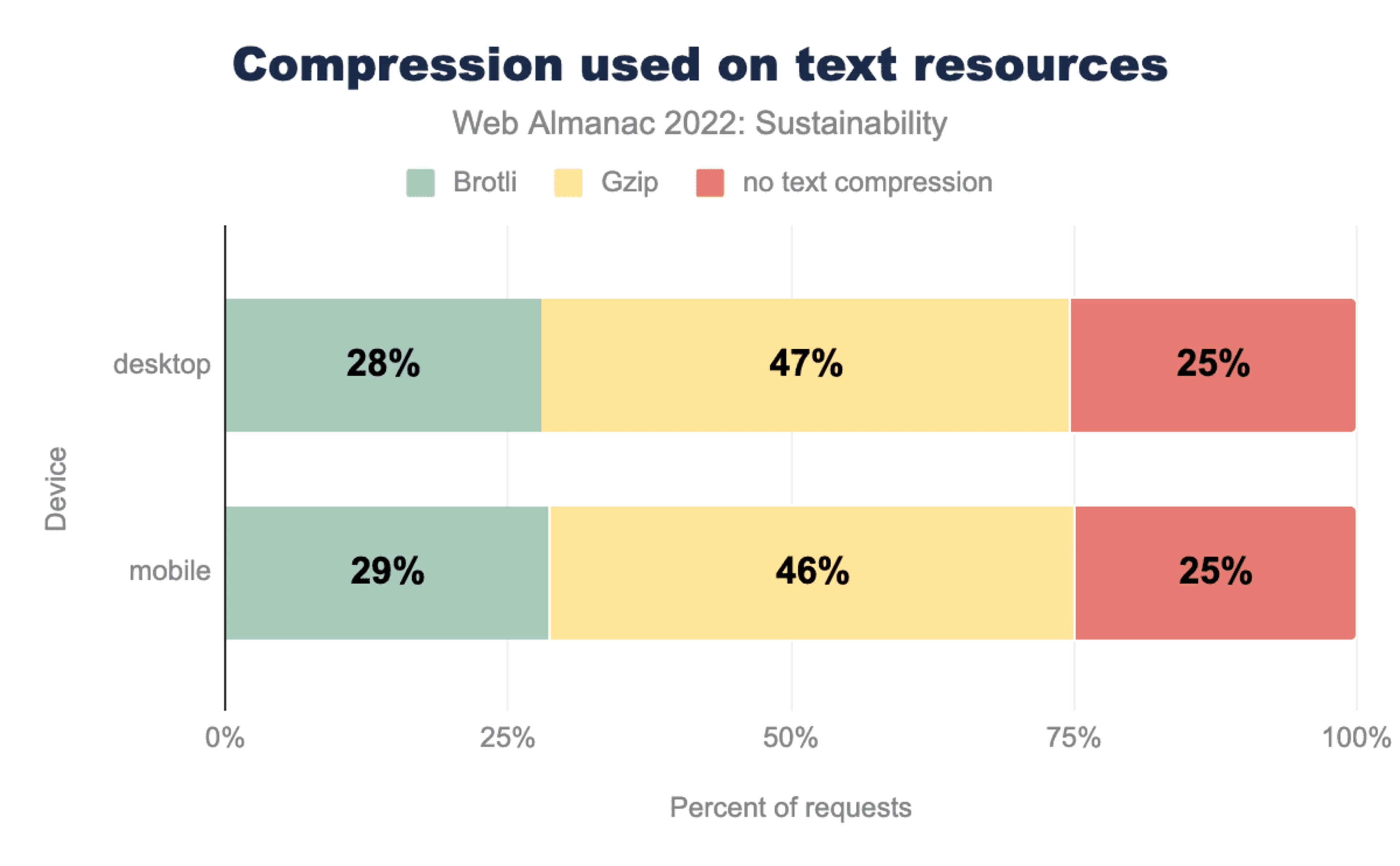
Compression algorithms used on the web, according to [the 2022 Web Almanac
![[Visual] Contentsquare's Content Team](http://images.ctfassets.net/gwbpo1m641r7/3IVEUbRzFIoC9mf5EJ2qHY/f25ccd2131dfd63f5c63b5b92cc4ba20/Copy_of_Copy_of_BLOG-icp-8117438.jpeg?w=1920&q=100&fit=fill&fm=avif)